From Sun to Socket: A Charging Network Powered by Renewables
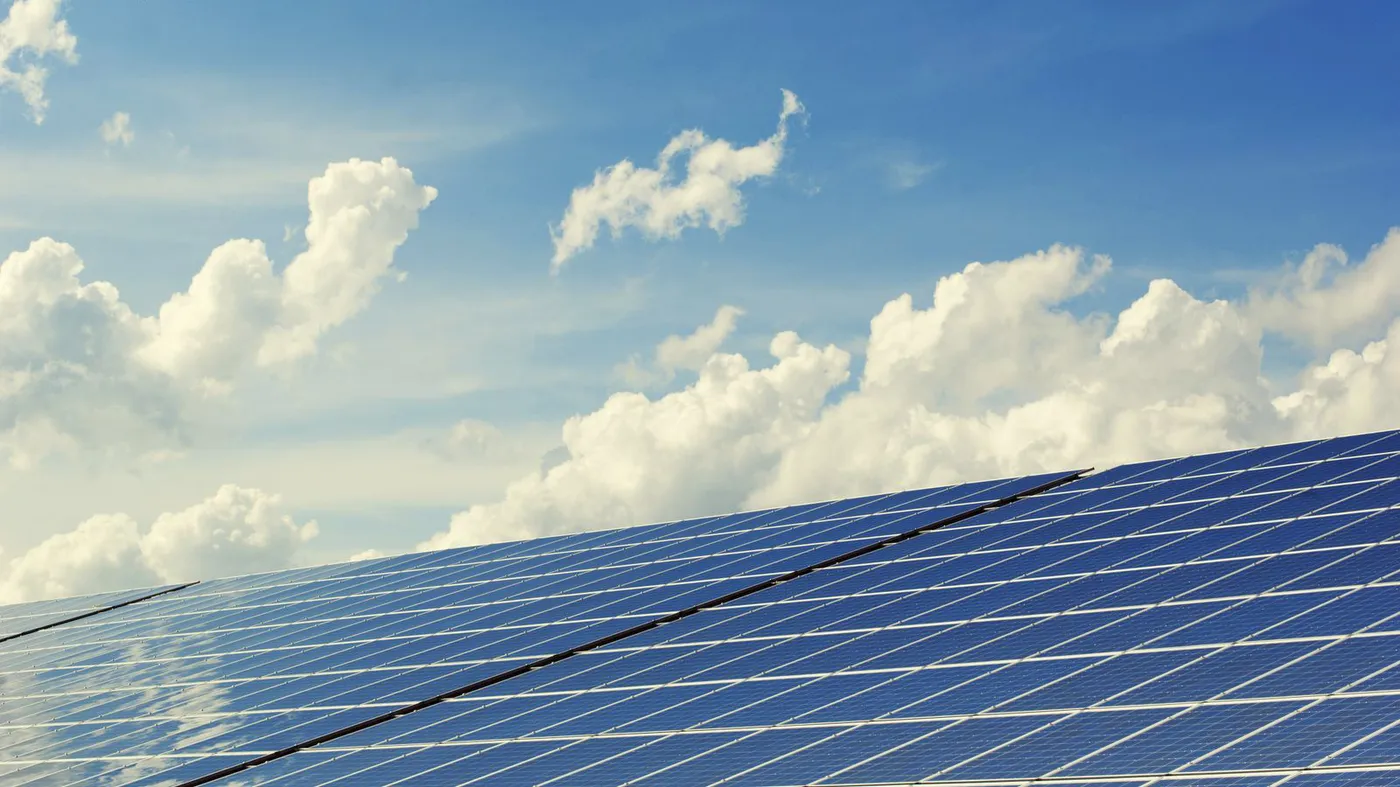
Are EVs really clean? Why the source of a station's electricity determines both its price and its carbon footprint.
An EV is only as clean as its electricity
Electric vehicles have no exhaust, which alone is a major gain for urban air. But the total carbon footprint comes down to one question: how was that electricity produced?
A car charged on coal-fired power is not the same as one charged on solar. Neither emits on the road, but across the whole chain the difference is substantial.
Why it is also cheaper
A solar plant has no fuel cost. The investment is made once; after that the cost is essentially maintenance and operation. That translates directly into the charging tariff:
- Predictability — less exposure to fuel price swings.
- Low variable cost — the marginal cost of each kWh produced is very low.
- Midday abundance — the sun's most productive hours coincide with peak daytime charging.
Cheap charging is not a promotion; it is a structural choice on the generation side. If you produce the electricity yourself, you start from a different place when you sell it.
Where Checkpoint stands
Checkpoint Şarj operates within Egesa Enerji, whose core business is developing, building and operating solar power plants. The charging network is built on top of an existing energy generation capability.
That is an unusual position for a charging operator: most buy electricity from the market, while we also know the generation side. It is the main reason our tariff can sit below the market.
Three common questions
How does it charge at night?
Solar plants feed their output into the grid, and stations draw from the grid. There is no need for panels above every station. What matters is that renewable generation is put into the system to match what is consumed.
What happens when panels reach end of life?
Solar panels are designed to generate for decades, and recycling is a maturing field. Over their lifetime the carbon balance more than offsets the emissions of manufacturing and installation.
What about battery production emissions?
A fair objection: an EV starts life with higher manufacturing emissions than a petrol equivalent. But that gap closes as the car is driven — and closes much faster when it is charged on clean electricity.
In summary
Switching to an EV is not a solution on its own; it makes sense together with the source of the charge. Building a charging network on renewable generation is one of the rare choices that helps the driver's wallet and the carbon account at the same time.