Charging in Malls and Car Parks: Getting the Layout Right
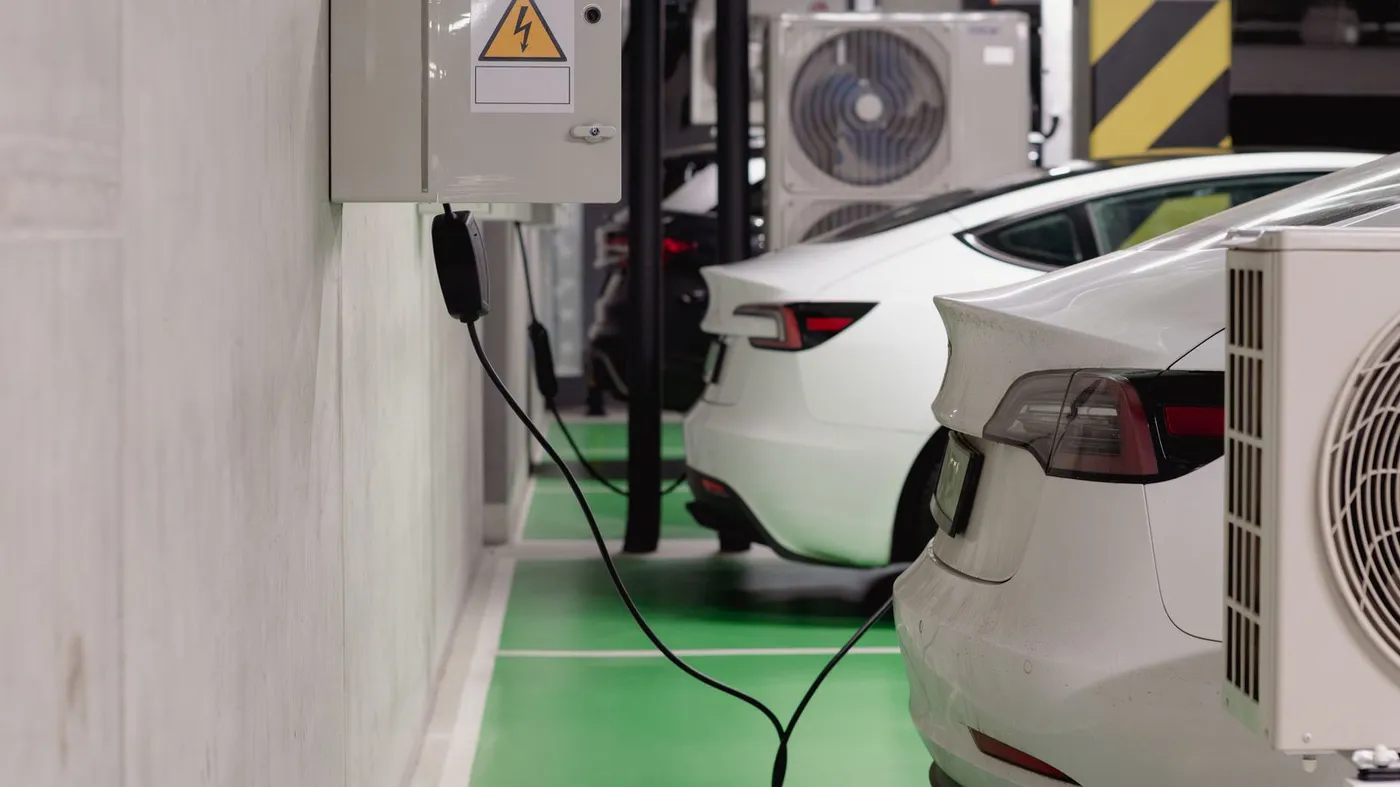
Power, placement, signage and turnover management when planning charging in an indoor car park — a setup that works for customers and operators alike.
A mall car park is a different scenario
At a motorway station drivers want one thing: speed. In a mall car park the car is going to sit there for one to three hours anyway. That changes the design: instead of a single expensive high-power unit, a greater number of medium-power points usually serves better.
A mixed layout: mostly AC, one or two DC
- AC 11–22 kW points — comfortably fill the car during a shopping visit. Lower installation cost, and the same electrical capacity serves more vehicles.
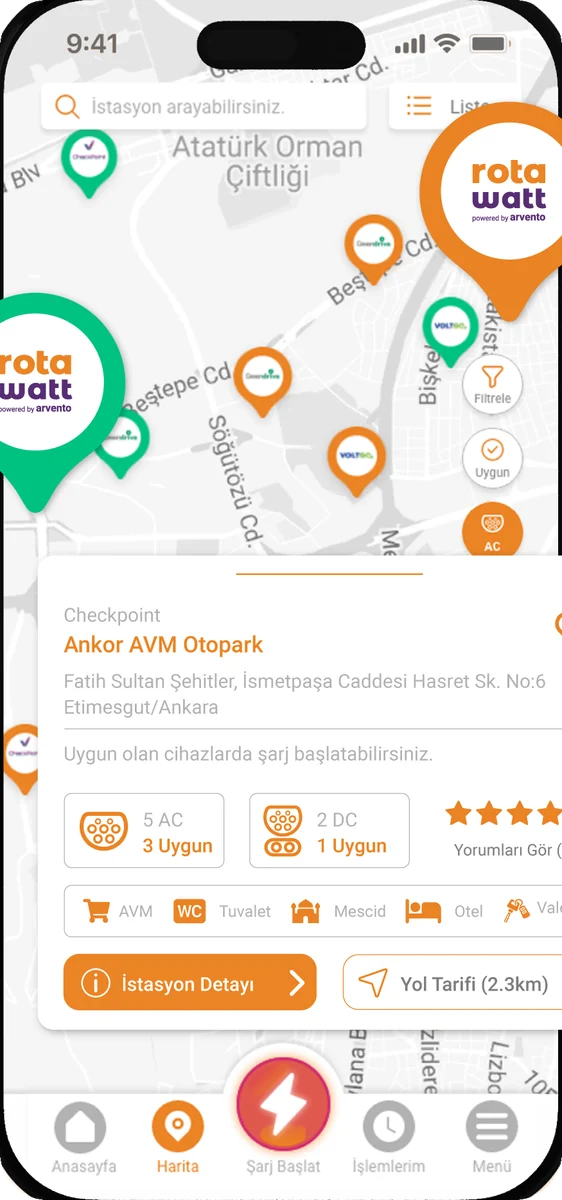
- One or two DC points — for the driver who wants a quick top-up and to move on. They also make the mall visible to people searching maps for fast charging.
Four AC points instead of one high-power DC means serving four times as many customers with the same electrical capacity.
Placement
- Near the entrance and lifts. A charging bay should feel like a privilege; the far corner of the car park destroys that.
- Lit and covered by cameras. Both for safety and as a deterrent against vandalism.
- Not behind columns. Cable reach and room to manoeuvre matter.
- Points grouped together. A single recognisable charging area is far easier to sign and to find.
Signage and wayfinding
An unused station is usually not a technical problem but a visibility problem. What is needed:
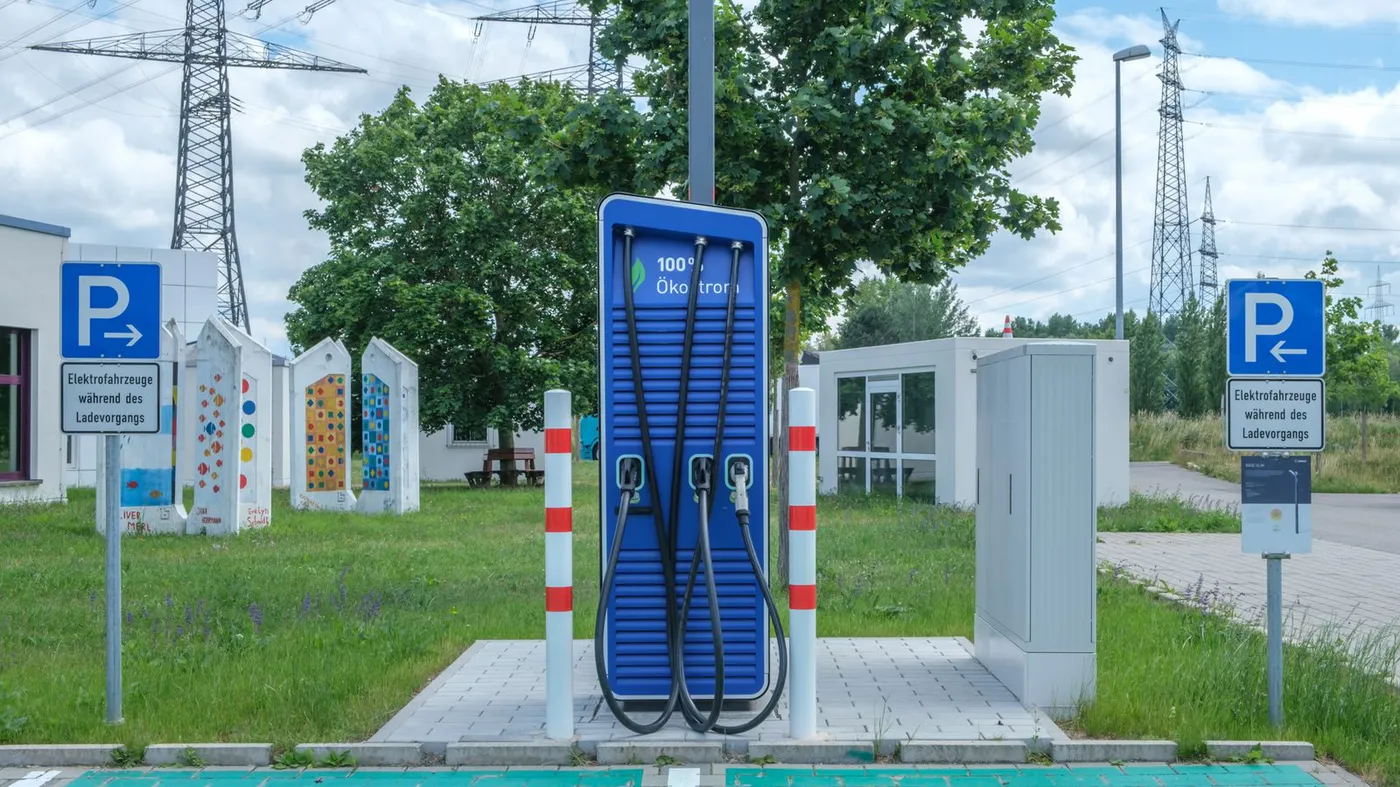
- A directional sign at the car park entrance
- Coloured floor marking for the bays
- Signs mounted high on columns, above parked cars
- Short, legible instructions on the unit itself
Turnover management: the critical part
The biggest enemy of a charging bay is a car parked in it that is not charging. Workable measures:
- Bays reserved for actively charging vehicles — clear marking plus car-park staff enforcement.
- Idle fees — a charge that starts a set time after the session ends dramatically improves turnover.
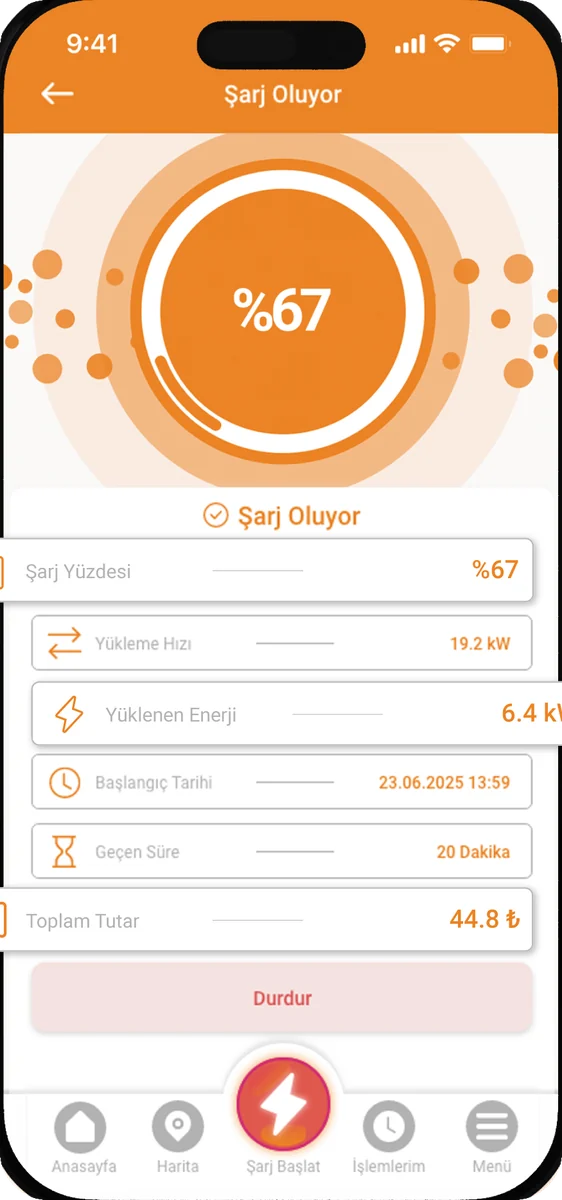
- Remote monitoring — visibility of how long each point has been occupied.
On the electrical side
Indoor car parks add further considerations: existing transformer capacity, cable routing and fire-safety requirements. If several points are planned, load management lets you install more of them without exceeding existing capacity — in most projects that is the single biggest win.
We can work out the right layout for your site together: partnership page.