Installing a Charging Station at Your Business: A Starter Guide
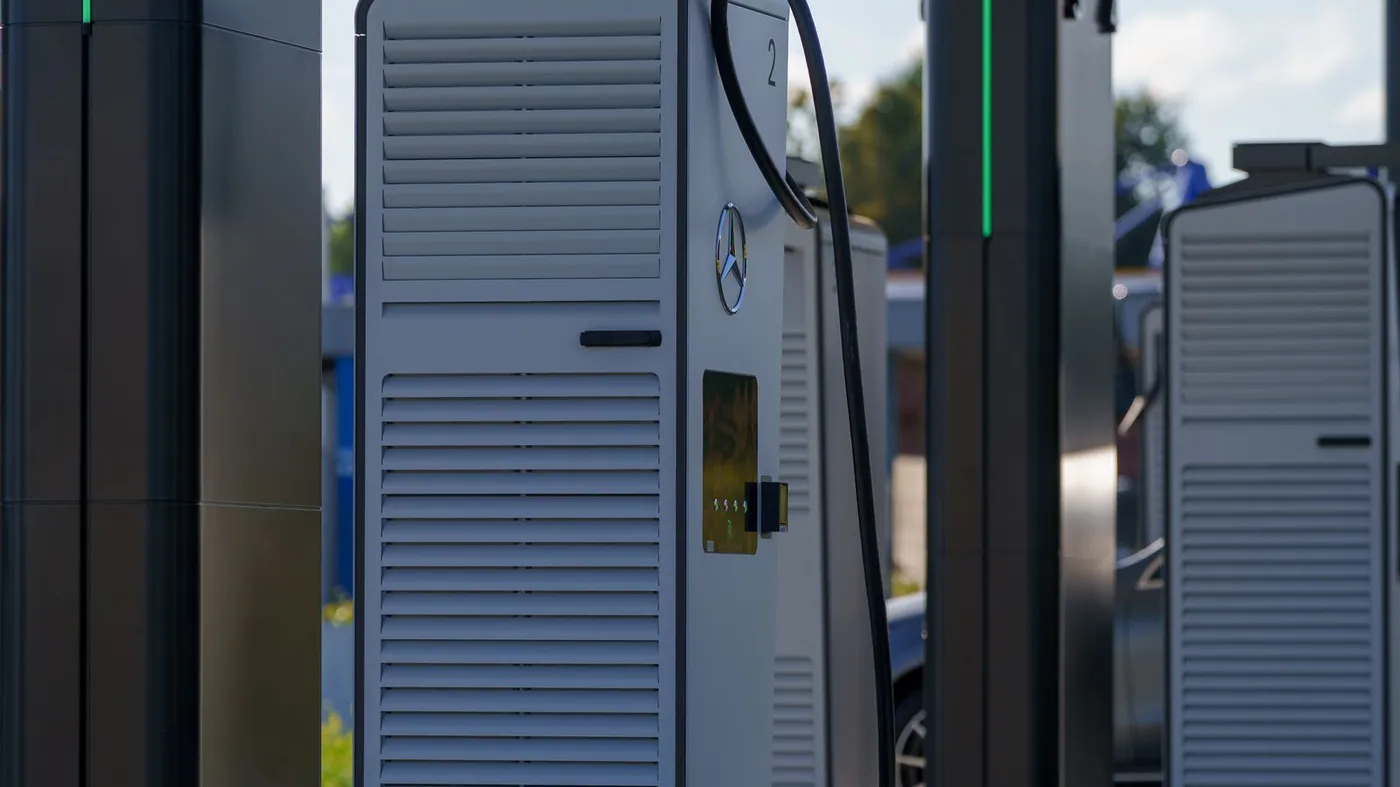
Hotel, restaurant, retail or office — what a charging station brings, the technical prerequisites, and how the process runs.
Why would a business want one?
A charging station is less a revenue line than a generator of footfall and dwell time:
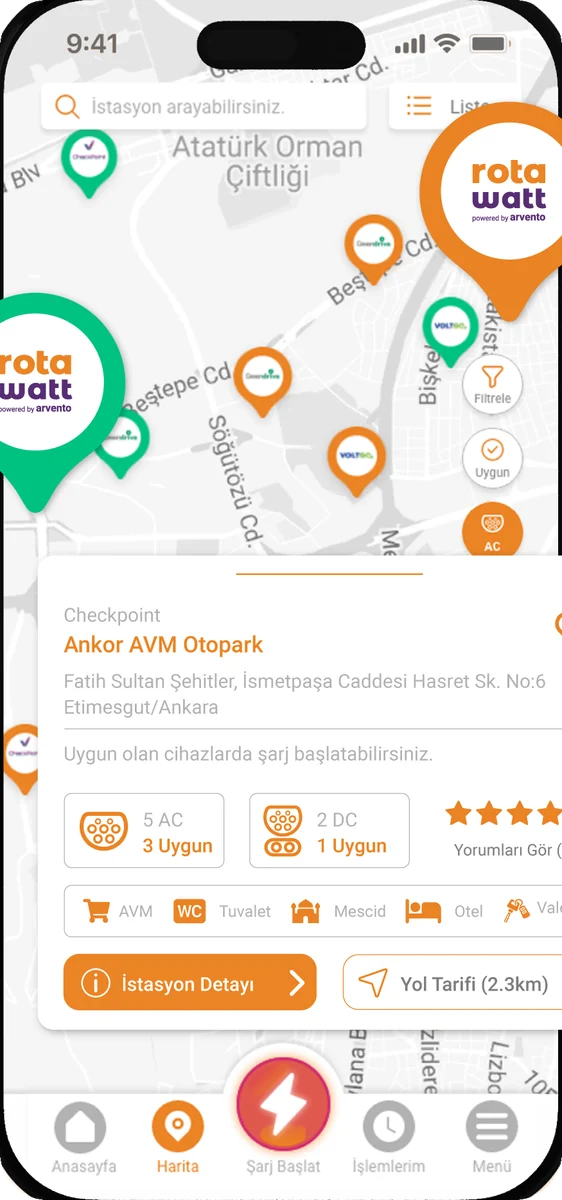
- New customer flow — drivers pick stations from a map; your business appears on that map.
- Longer stays — a 30-minute DC session or a few hours on AC becomes time spent inside your business.
- Parking appeal — in malls and hotels, a car park with charging is a deciding factor.
- Corporate visibility — something concrete behind sustainability messaging.
- Additional income — a share of usage.
Which type suits which business?
| Business | Typical stay | Suitable type |
|---|---|---|
| Motorway services, fuel station | 20–40 min | DC fast |
| Shopping mall | 1–3 hours | AC + one DC |
| Restaurant / café | 1–2 hours | AC 22 kW |
| Hotel | overnight | AC 7–22 kW |
| Office | 8+ hours | AC 7–11 kW |
The rule is simple: the longer your customer stays, the slower the charging can be. Short stops need DC; long stops are well served by AC, which is also cheaper to install.
Technical prerequisites
- Electrical capacity — can your contracted supply carry the unit? DC units may need a capacity increase or an additional transformer.
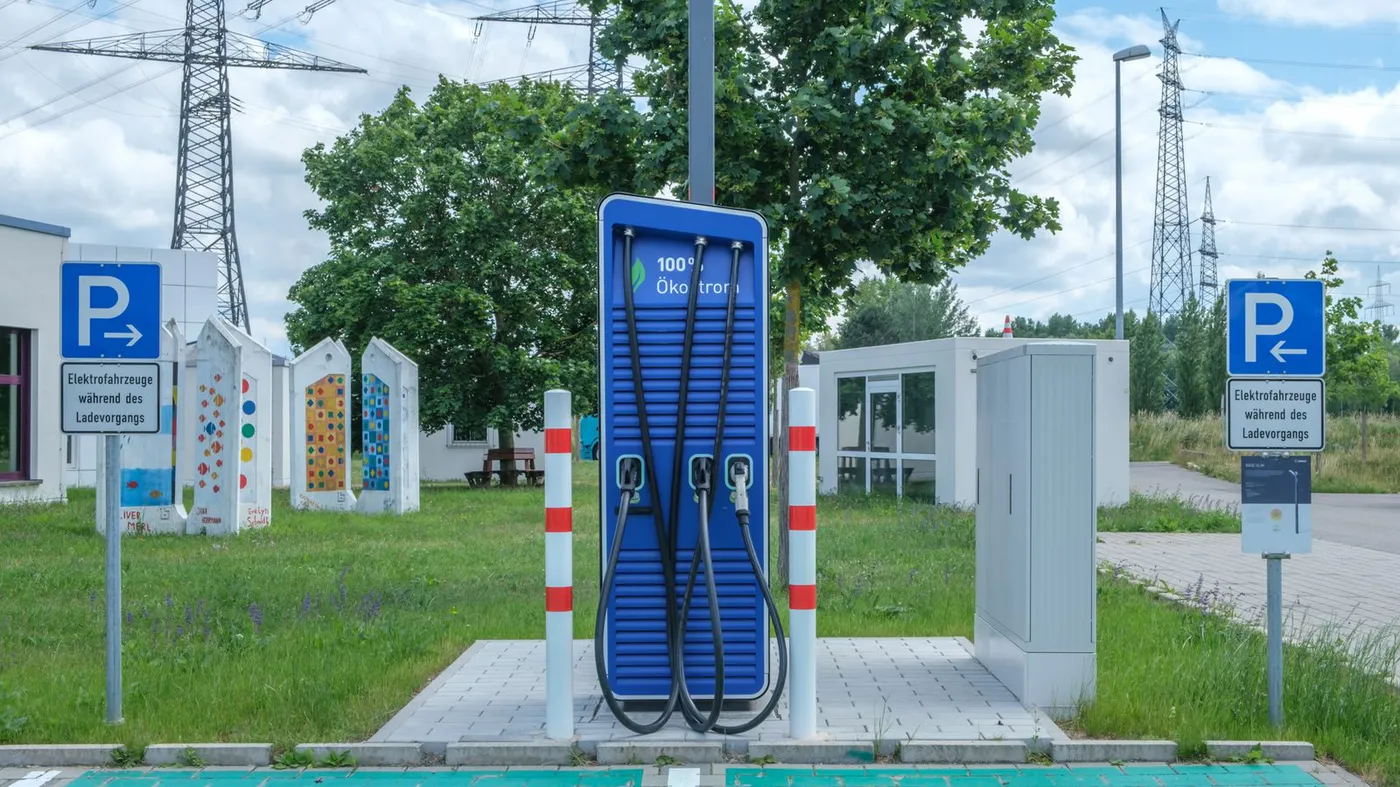
- Space — where the unit sits, where the car parks, and cable reach. Our field DC units use a 5-metre cable, which gives flexibility in parking layout.
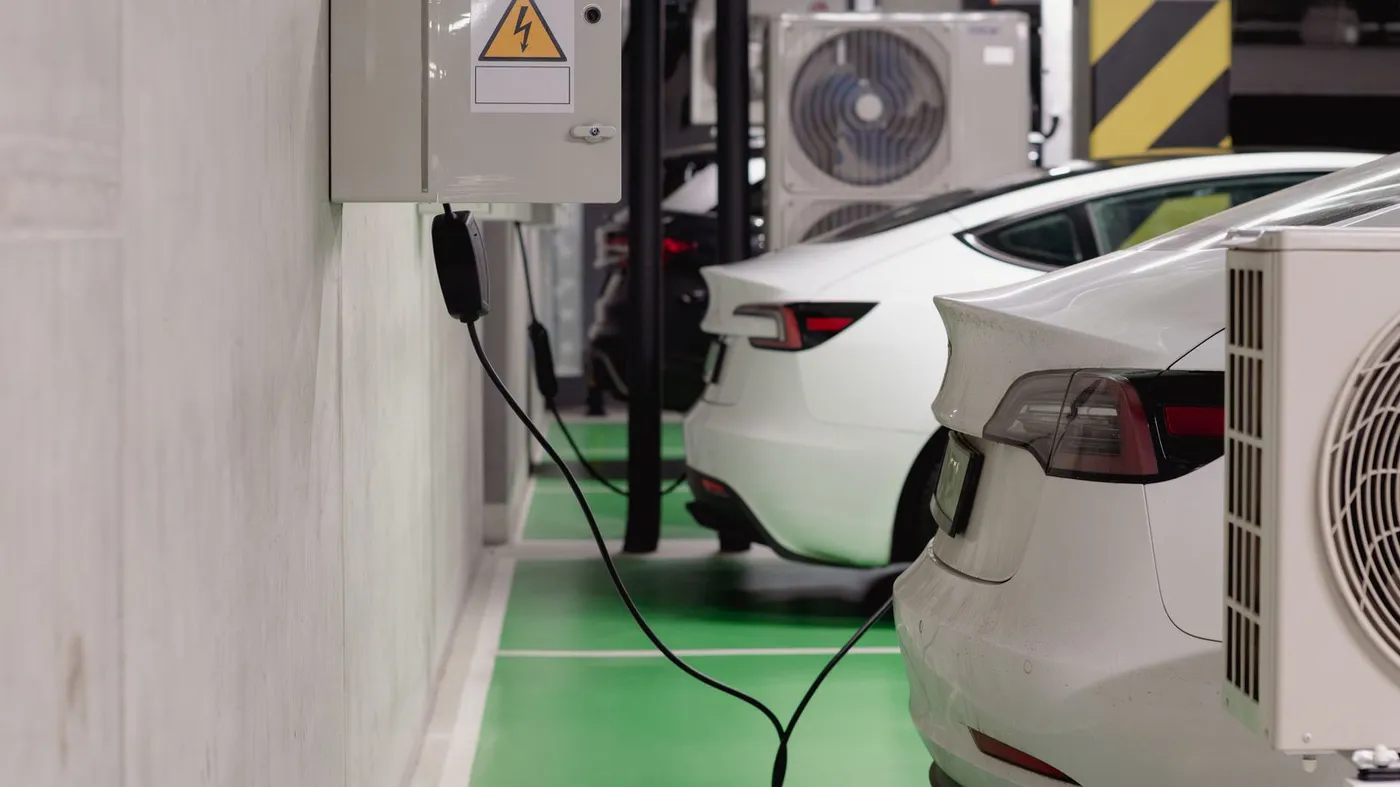
- Access — reachable, lit and safe. In covered car parks, floor and headroom matter.
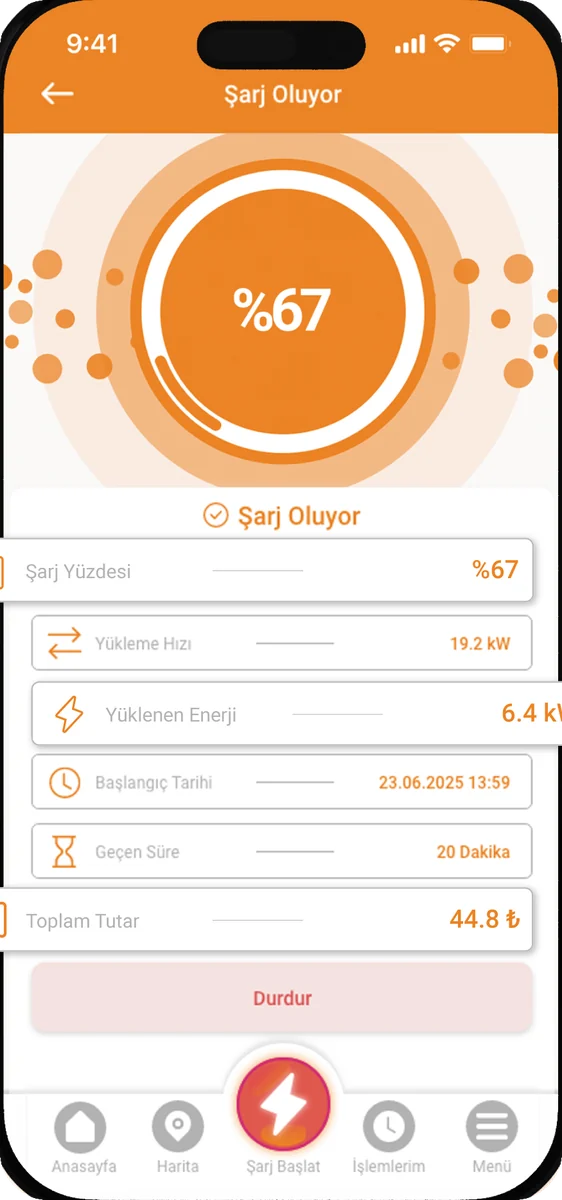
- Connectivity — needed for remote monitoring, payment and app visibility.
- Permissions — quick if you own the property; a tenant needs the owner's approval.
How the process works
- Initial discussion — location, traffic and customer profile.
- Site survey — the electrical infrastructure and the space are inspected on site.
- Proposal — unit type, quantity and business model.
- Agreement — term, revenue sharing and responsibilities in writing.
- Installation and commissioning — electrical work, mounting, testing.
- Operation — remote monitoring, maintenance and fault response.
Should the investment be yours?
There are two common models: buy and operate the unit yourself, or provide the site and leave the investment to the operator. The second requires no upfront spend and pays you a share of usage. Where traffic is uncertain, it carries far less risk.
That is how we run partnerships at Checkpoint — you can apply from our partnership page.