Electrical Infrastructure for Charging Stations: What to Know
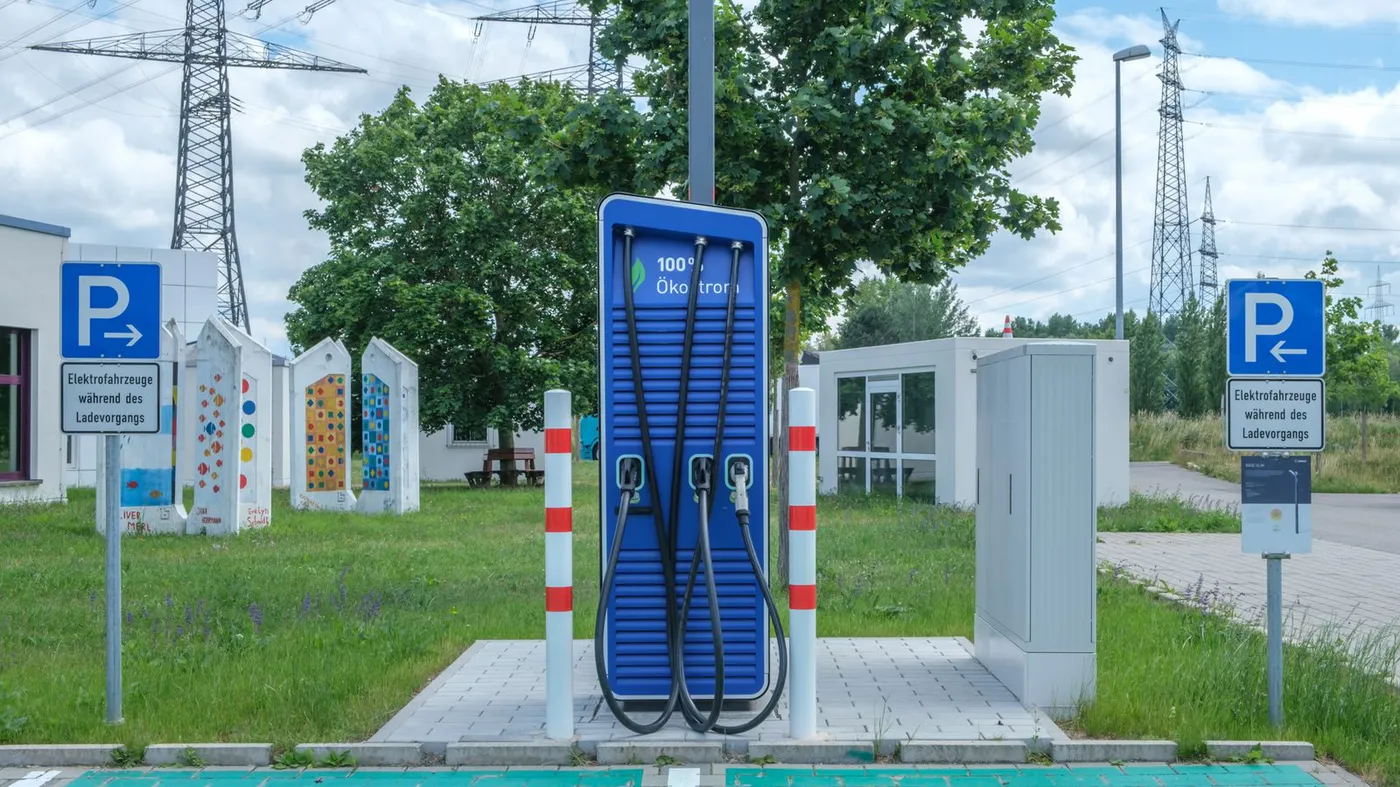
Contracted capacity, transformer headroom, protective devices and load management — the technical questions to answer before installing.
The question that shapes the project: how much power do you have?
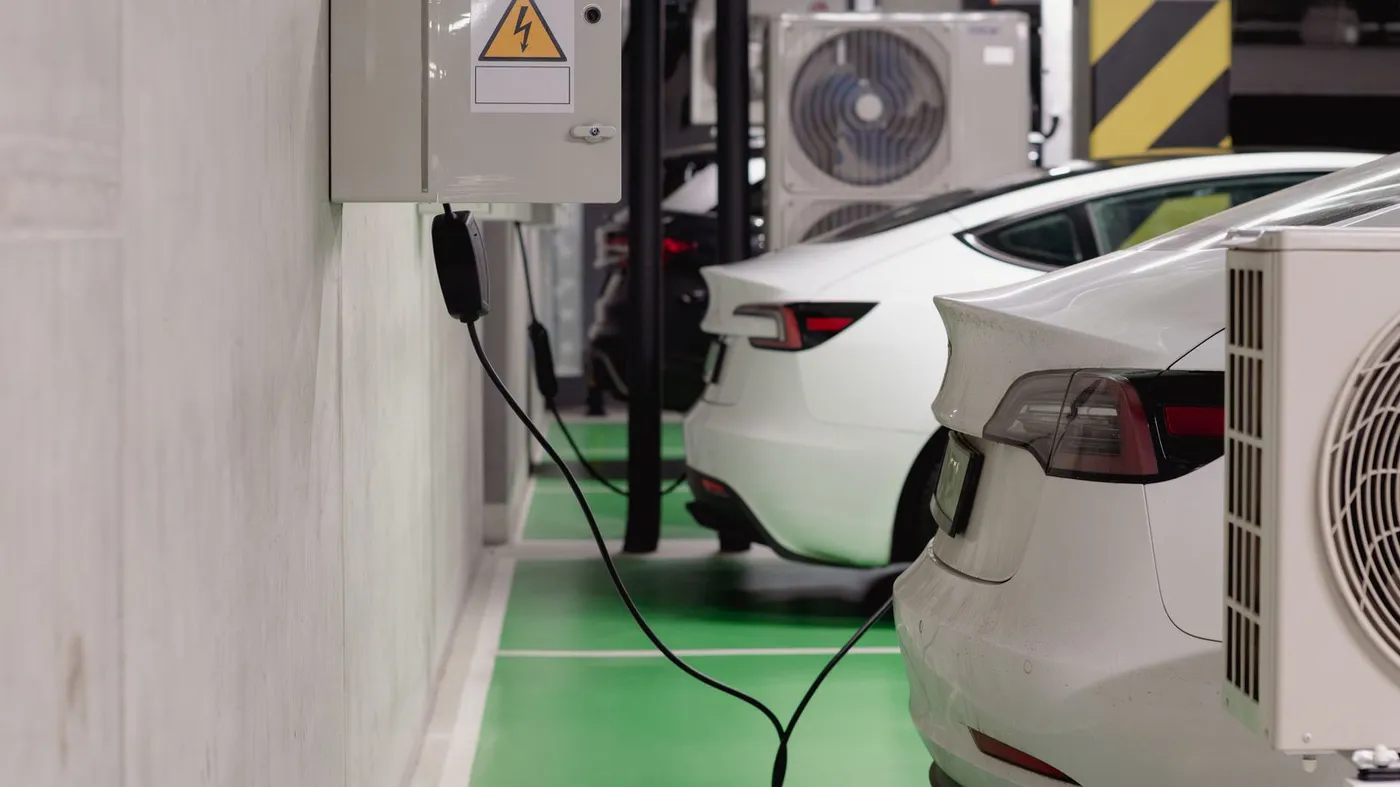
The most common surprise in charging projects is not the cost of the unit but insufficient electrical infrastructure. The first step is always to establish existing capacity.
- Contracted capacity — the power defined in your supply agreement.
- Transformer headroom — if you have your own transformer, how much is left above current load.
- Main board and cable sizing — whether the existing installation can carry the extra load.
What each unit means in load terms
| Unit | Power | Connection |
|---|---|---|
| AC wall-mounted | 7.4 kW | Single-phase 32 A |
| AC wall / floor | 11 kW | Three-phase 16 A |
| AC floor-standing | 22 kW | Three-phase 32 A |
| DC fast | 60 kW | Three-phase, dedicated feed |
| DC fast | 120 kW | Three-phase, usually needs a transformer |
There is an order-of-magnitude gap between AC and DC. A 22 kW AC unit can often be installed on an existing commercial supply with no further work, while a 120 kW DC unit generally needs a dedicated feed and, in most cases, a capacity increase.
Protective devices
- MCB — against overcurrent and short circuit.
- Residual-current device — charging circuits require Type B, or Type A combined with DC fault current detection; Type A alone is not sufficient because DC residual components can occur during charging.
- Surge protection — especially outdoors, against lightning and grid surges.
- Earthing — with a measured and recorded earth resistance.
None of this is expensive, but skipping it is unacceptable on both safety and regulatory grounds. Installation must be carried out by a qualified electrician.
Load management: more points without more capacity
Say you have 40 kW of headroom and want four 22 kW AC points — 88 kW on paper, impossible. With dynamic load management the units share available capacity: four cars connected means each charges at lower power, one car connected means full power.
Since four points rarely draw full power simultaneously, this multiplies the number of points with almost no impact on user experience. It is the most effective way to avoid investing in an additional transformer.
Pre-installation checklist
- Contracted capacity and peak consumption over the last 12 months
- Distance between the board and the unit (cable cost)
- Cable route — trunking, tray or underground
- Internet connectivity (wired preferred)
- Outdoor IP rating and foundation/plinth work
- Required permissions and owner approval
A site survey settles all of this on the spot — get in touch to start one.