Home or Public Charging? A Real Cost Comparison
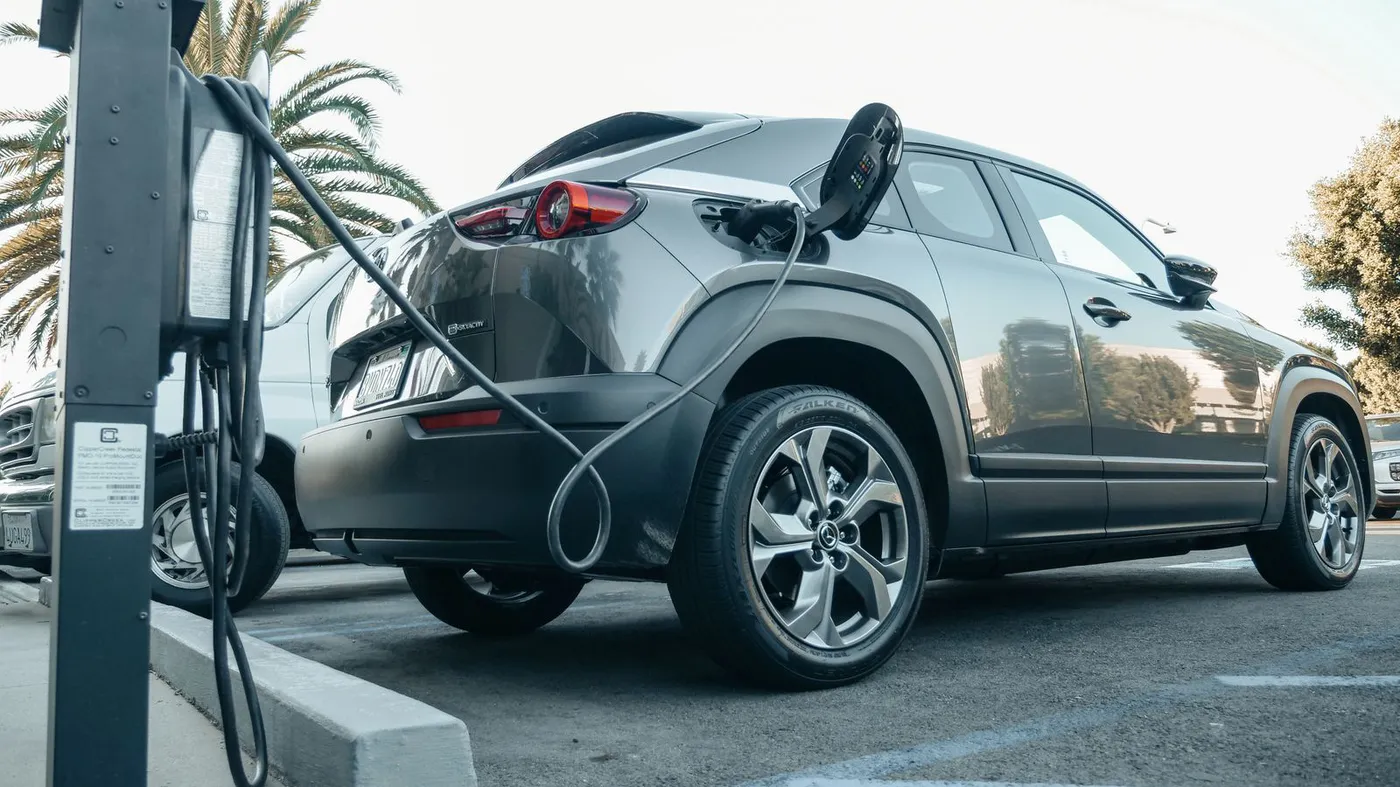
Household tariffs versus public station prices, the hidden costs of home charging, and when each option makes sense.
The comparison in numbers
On unit price, home charging almost always wins. But unit price is not the whole picture.
| Home | Public AC | Public DC | |
|---|---|---|---|
| Unit price | lowest | ₺6 – 12 /kWh | ₺11 – 16 /kWh |
| Power | 2.3 – 11 kW | 7 – 22 kW | 50 – 120 kW |
| 20→80% time | 5 – 15 hours | 1.7 – 5 hours | 22 – 30 minutes |
| Upfront cost | unit + wiring | none | none |
The hidden costs of charging at home
The per-kWh price is low, but there are one-off costs:
- The charger — a wall-mounted AC unit.
- Electrical work — a dedicated line, breaker and residual-current device. Three-phase raises the cost.
- Building permission — installing in a shared car park needs a management decision.
- Contracted capacity — if your existing supply is not enough you may need to apply to the distribution company.
These are paid once and amortise over time; for a driver covering 40–50 km a day it is usually a sound investment.
So why do people still use public stations?
Not everyone has a socket at home
A large share of EV owners in Türkiye live in apartment buildings without private parking. For them the public network is the only option.
Long journeys
Home charging solves range in the city, not between cities. On a 500 km trip DC fast charging is unavoidable.
Time
What takes five hours at home takes half an hour at a DC station. For someone in a hurry that gap can matter more than the price difference.
A practical strategy
For most drivers the smartest setup is: daily charging on AC at home or work, DC fast charging on the road. You keep unit costs low and never worry about range.
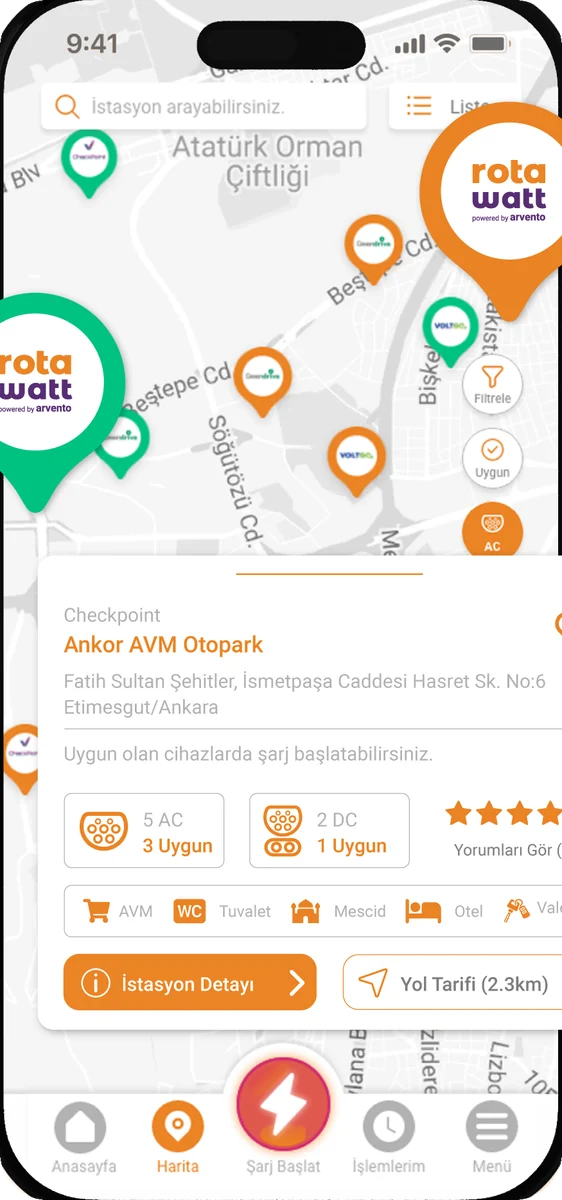
We publish the Checkpoint tariff openly on our pricing page so you can do the maths in advance.